
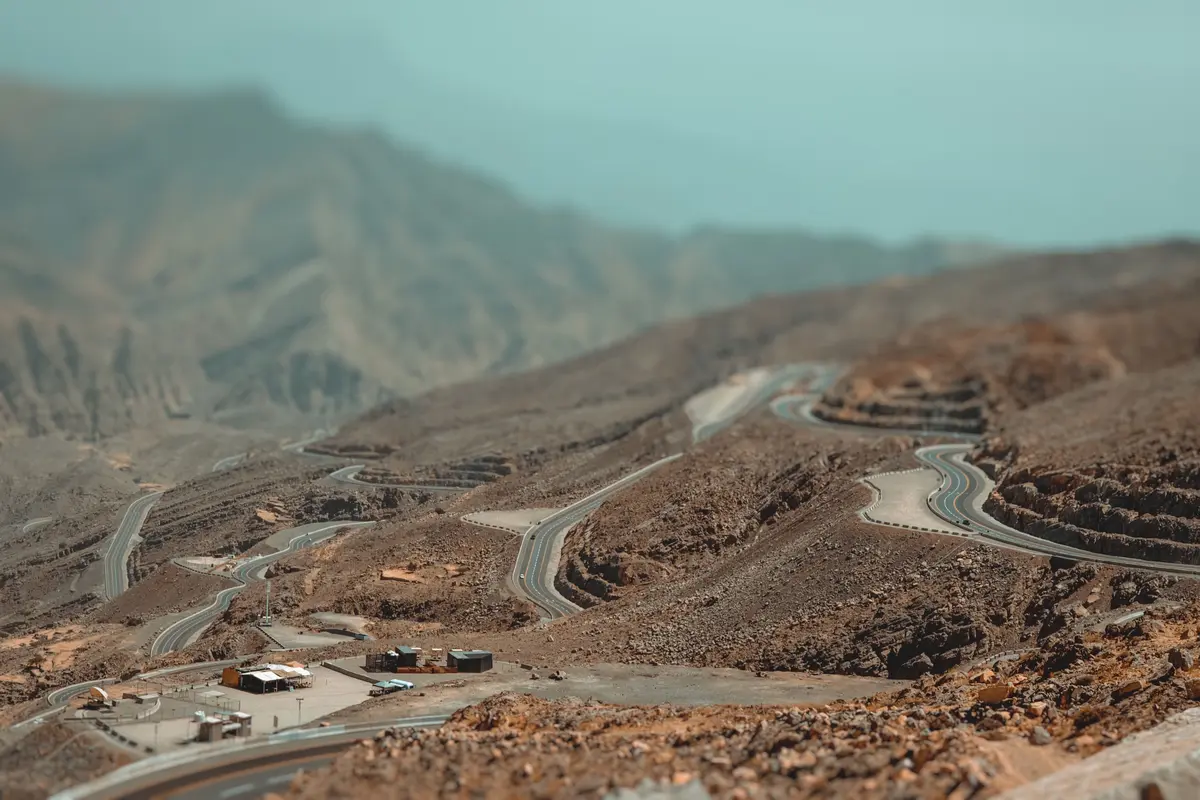
Most people think of Jebel Jais as a destination. You drive up, reach the top, take a few photos, maybe grab lunch, and head home. But honestly, that misses half the fun. The road to Jebel Jais is an experience in itself, with winding mountain bends, changing landscapes and viewpoints that make you want to pull over every few minutes. The official Jebel Jais site even describes the drive as an experience in its own right, with beautiful views appearing as you climb.
So, instead of treating the drive as the boring bit between Dubai and the mountains, why not make it part of the plan? Slow down, choose a few scenic stops, keep your camera ready and leave enough time for a coffee break or two. The best mountain road trips aren’t always about reaching the final viewpoint fastest.
Start Early for a Quieter Mountain Drive
If you’re planning a Jebel Jais road trip, an early start can completely change the mood. The roads tend to feel calmer, the light is softer for photography, and the cooler part of the day gives you more freedom to explore before the afternoon heat builds.
There’s also something special about watching the landscape change as you climb. The city gradually disappears behind you, while rocky slopes, deep valleys and dramatic bends begin to dominate the view. Jebel Jais rises to 1,934 metres and forms part of the Hajar Mountain range, so the scenery becomes noticeably more rugged as you gain altitude.
Don’t rush this part. Put on a good playlist, keep the windows cracked when the weather allows, and enjoy the change of scenery.
The Mountain Road Is the First Photo Stop
You don’t necessarily need a famous attraction to get a great photograph. Some of the most memorable Jebel Jais pictures can come from the road itself.
The official Ras Al Khaimah tourism guide describes the mountain route as a series of hairpin bends with regular pull-ins where visitors can safely stop and admire the changing views. From different points along the climb, you’ll see rocky cliffs, valleys and the plains stretching out below.
Of course, safety comes first. Never stop in an unsafe spot simply because the angle looks good. A dramatic photograph isn’t worth creating a dangerous situation for yourself or another driver.
Instead, use designated pull-ins and viewpoints. Take your time. Walk a few steps away from the car, look around and you’ll often find a completely different perspective.
Make Jais Viewing Deck Park Your Main Stop
For a more organised viewpoint experience, head to Jais Viewing Deck Park, which features seven viewing decks overlooking the surrounding mountain landscape. The decks provide views across valleys, mountain roads, traditional villages and, on clearer days, toward the Arabian Gulf.
This is a particularly good stop if you’re travelling with friends or family because everyone can enjoy the scenery without needing to hike a difficult trail.
And yes, bring the camera.
Try photographing the road from above rather than simply pointing your lens toward the horizon. The winding route creates interesting lines through the rocky landscape, especially when viewed from an elevated position.
If you’re lucky with the weather, the distant mountains can look beautifully layered, almost like a natural backdrop painted in different shades of brown and grey.
Don’t Skip the Coffee Break
A mountain drive without a coffee stop? Not quite the same.
Jebel Jais has cafés and dining spots where you can pause without turning your trip into a full sit-down meal. The official Jebel Jais guide currently highlights Puro Express and Muse Café at Jais Viewing Deck Park, offering coffee and light snacks in a mountain setting.
This is where you can take a proper break. No rushing back into the car. Just coffee, fresh air and a view that makes your usual office break feel slightly less exciting.
For a longer meal, 1484 by Puro offers dining at altitude, while Red Rock Barbeque provides another option for visitors looking to make food part of their mountain outing.
Plan Your Drive Around the Light
Photographers already know this, but even casual travellers will notice the difference: light changes everything.
Early morning gives the mountains a softer, quieter appearance. The shadows are longer, and the landscape can feel more atmospheric before the day becomes bright and harsh.
Late afternoon has a completely different vibe. As the sun drops, the rocky slopes take on warmer tones, while the valleys begin to darken. Jais Viewing Deck Park notes that sunset typically occurs between around 5:30pm and 6:00pm, although the exact timing varies through the year.
So if you’re driving up for sunset, don’t arrive five minutes beforehand. Give yourself time to park, walk to a viewpoint and find a comfortable place to watch the colours change.
Turn the Drive Into a Slow Road Trip
Here’s the biggest mistake people make on mountain trips: trying to see everything.
You don’t need to tick off every viewpoint, restaurant and activity in one afternoon. In fact, you’ll probably enjoy Jebel Jais more if you choose a few highlights and leave room for spontaneous stops.
A relaxed road-trip plan could look something like this:
- Early morning: Start the drive toward Jebel Jais.
- Morning: Stop at safe pull-ins for photographs and views.
- Late morning: Visit Jais Viewing Deck Park.
- Midday: Take a coffee or lunch break.
- Afternoon: Explore another viewpoint or add a hiking or adventure experience.
- Late afternoon: Find a good position for sunset.
- Evening: Enjoy dinner or continue toward an overnight mountain stay.
The mountain currently offers much more than viewpoints, with hiking, adventure activities, dining, camping and wellness experiences available across the destination.
Sunrise or Sunset: Which One Wins?
That depends on your personality.
Sunrise is for the early birds who don’t mind setting an alarm while everyone else is asleep. You’ll get cooler conditions, quieter roads and soft morning light.
Sunset is easier to fit into a weekend schedule and brings a completely different atmosphere. The mountains gradually darken, the sky changes colour and the city feels wonderfully distant.
For many visitors, sunset wins simply because there’s no need to wake up ridiculously early. Fair enough.
If you stay after sunset, Jebel Jais can offer another experience altogether. The destination promotes stargazing and overnight stays at locations including Camp 1770 and Bear Grylls Explorers Camp, giving visitors the option to turn a scenic drive into a longer mountain escape.
A Few Things to Keep in the Car
A scenic drive still needs a little preparation. Keep water, sunglasses, sunscreen, a light jacket, comfortable shoes and a power bank handy. Mountain weather can change, and the official Jebel Jais guidance recommends bringing layers and following weather-related advice before visiting.
Most importantly, drive patiently. Mountain roads have bends, changing visibility and other visitors who may also be stopping to enjoy the scenery. Don’t let the excitement of the views turn the journey into a race.
Sometimes the Road Is the Best Part
Jebel Jais doesn’t really need you to rush toward an attraction. The road itself has plenty to offer.
A quiet stretch of mountain highway. A sudden view between two rocky slopes. Coffee with the Hajar Mountains in the background. A last-minute photography stop because the light suddenly looks perfect.
Those little moments are what make a road trip memorable.
So next time you head toward Jebel Jais, don’t just ask, “What are we doing when we get there?” Ask, “Where should we stop along the way?”
You might find that the adventure starts long before you reach the viewpoint.
