
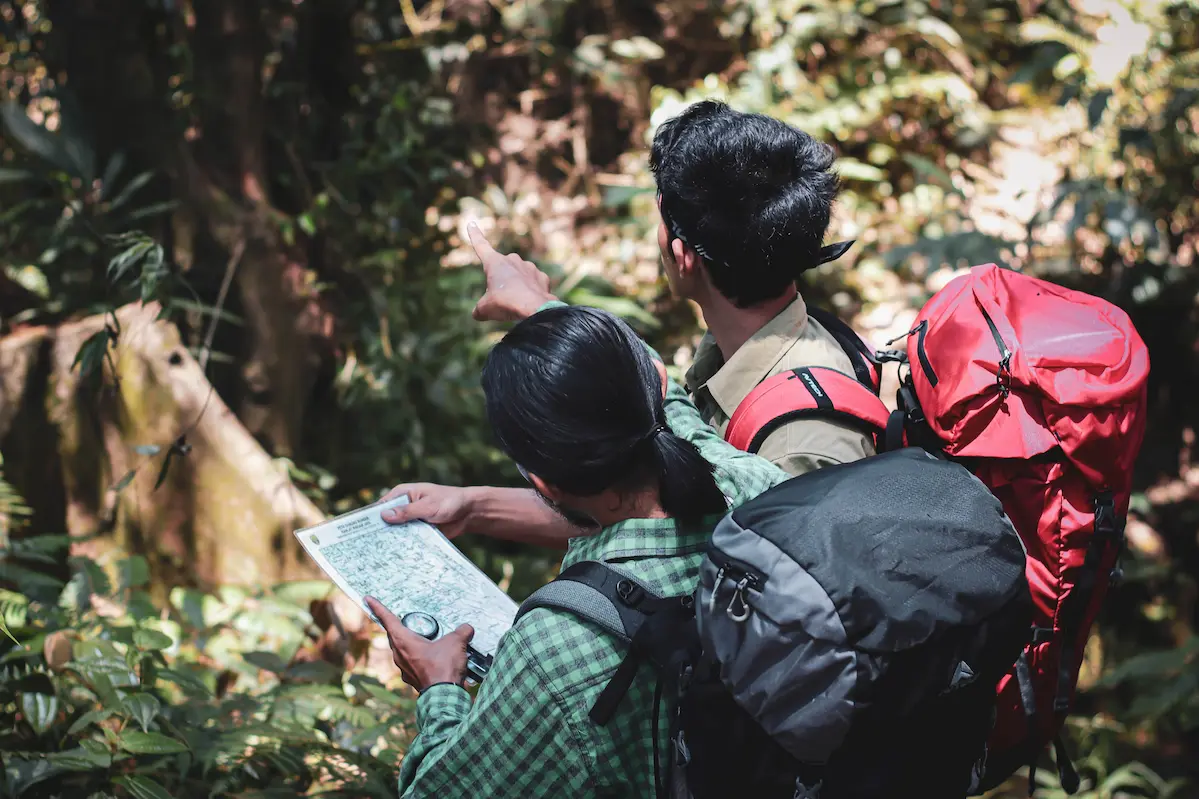
Taking your first hike can feel a little intimidating. Maybe you’ve seen breathtaking trail photos online and wondered if hiking is really for you. Or perhaps you’re looking for a healthier hobby that gets you outdoors without requiring expensive equipment or years of experience. The good news? Hiking is one of the easiest outdoor activities to begin, and almost anyone can enjoy it with the right preparation. You don’t need to be an athlete or climb challenging peaks on your first day. All you need is a sense of curiosity, a comfortable pair of shoes, and the willingness to take that first step.
Why Hiking Is a Great Hobby for Beginners
Hiking isn’t just about reaching the top of a mountain. It’s about slowing down, breathing fresh air, and enjoying places you simply can’t experience from a car or a busy city street. There’s something refreshing about leaving your phone in your pocket for a while and listening to birds instead of notifications. Many people start hiking to improve their fitness, but they stay because of the peace, confidence, and connection with nature it brings. The best part is that hiking grows with you. You can begin with short, easy trails and gradually explore longer adventures as your experience and fitness improve.
Choosing Your First Hiking Trail
One of the biggest mistakes beginners make is choosing a trail that’s too difficult. It’s tempting to pick a famous summit or a trail with dramatic views, but your first hike should build confidence, not leave you exhausted. Look for trails that are clearly marked, have a low difficulty rating, and can be completed within a couple of hours. Gentle elevation, well-maintained paths, and nearby facilities can make your first experience much more enjoyable. Reading recent trail reviews and checking the weather forecast before leaving are simple habits that can save you from unexpected surprises.
What to Wear on Your First Hike
You don’t need to spend a fortune on outdoor clothing before your first adventure. Comfort matters much more than brand names. Choose lightweight, breathable clothes that allow you to move freely and avoid fabrics that stay wet for long periods. Dressing in layers is a smart choice because temperatures often change throughout the day. A moisture-wicking T-shirt, comfortable hiking pants or shorts, supportive socks, and a lightweight jacket are usually enough for beginner-friendly trails. Add a hat and sunglasses if you’ll be hiking in sunny conditions, and don’t forget sunscreen even on cloudy days.
Essential Gear Every Beginner Should Carry
Let’s be honest—it’s easy to overpack when you’re new to hiking. Many beginners fill their backpacks with items they never use, only to discover that extra weight makes the walk harder. Keep things simple and focus on the essentials.
Your beginner hiking checklist should include:
- Comfortable hiking shoes or trail runners
- Lightweight backpack
- Reusable water bottle or hydration pack
- Healthy snacks or energy bars
- Small first-aid kit
- Fully charged mobile phone
- Offline trail map or navigation app
- Sunscreen
- Rain jacket
- Power bank
- Flashlight or headlamp if there’s any chance you’ll finish late
As you gain experience, you’ll naturally learn which items are worth carrying and which can stay at home.
Staying Safe on the Trail
A safe hike is usually the result of good planning rather than good luck. Before you leave, let a family member or friend know where you’re going and when you expect to return. Check the weather forecast, charge your phone, and make sure you have enough water for the entire trip. While you’re hiking, stay on marked trails even if another path looks like a shortcut. Those unofficial routes often lead to confusion or unsafe terrain. If you start feeling unusually tired, take a break. Hiking isn’t a race, and there’s absolutely nothing wrong with slowing down to enjoy the surroundings.
Food and Hydration Matter More Than You Think
Many first-time hikers underestimate how much energy a simple walk through nature can require. Even an easy trail can leave you feeling tired if you haven’t eaten properly or carried enough water. Pack snacks that provide lasting energy, such as mixed nuts, trail mix, fresh fruit, peanut butter sandwiches, or protein bars. Rather than waiting until you’re thirsty, drink small amounts of water regularly throughout your hike. Staying hydrated helps maintain your energy, improves focus, and reduces the risk of fatigue, especially during longer walks.
Basic Hiking Etiquette
One of the things that makes hiking enjoyable is the shared respect people have for nature and each other. Following simple trail etiquette helps protect the environment while making the experience better for everyone. Stay on marked paths to prevent damage to plants, carry all your rubbish back with you, and avoid disturbing wildlife. If you meet other hikers, a friendly smile or greeting goes a long way. Keeping noise levels low also allows everyone to enjoy the peaceful atmosphere that makes hiking so special.
Build Your Confidence One Trail at a Time
Nobody becomes an experienced hiker overnight. Every trip teaches you something valuable. Maybe you’ll discover that your backpack is heavier than necessary, or you’ll realize you should have packed an extra bottle of water. That’s completely normal. Each hike helps you understand your own pace, improve your fitness, and become more comfortable outdoors. Instead of comparing yourself with experienced hikers, focus on your own progress. Every successful trail, no matter how short, is another step forward.
Common Mistakes Beginners Should Avoid
Most new hikers make a few mistakes during their first adventures, and that’s part of the learning process. Wearing brand-new shoes without breaking them in, starting a hike too late in the day, ignoring the weather forecast, carrying too much gear, or forgetting enough water are all common issues that can turn an enjoyable day into an uncomfortable one. Another mistake is trying to cover too much distance too soon. Choose a trail that matches your current fitness level, and remember that there’s always another adventure waiting once you’re ready.
Prepare Your Body Before You Go
You don’t need an intense fitness routine before your first hike, but a little preparation makes a noticeable difference. Regular walks, climbing stairs, and simple bodyweight exercises like squats or lunges can improve your endurance and strengthen the muscles you’ll use on the trail. Getting enough sleep the night before your hike and eating a balanced meal beforehand will also help you feel more energetic throughout the day. Small habits like these often make the experience much more enjoyable.
Your Adventure Starts Today
Every experienced hiker has one thing in common—they all took a first hike. It probably wasn’t perfect, and yours doesn’t need to be either. What matters is getting outside, enjoying the journey, and discovering how rewarding it feels to explore nature at your own pace. Don’t worry about having the most expensive gear or covering the longest distance. Start with an easy trail, pack the essentials, stay curious, and enjoy every step. Before long, hiking won’t just be another weekend activity; it might become the hobby you never knew you needed.
