
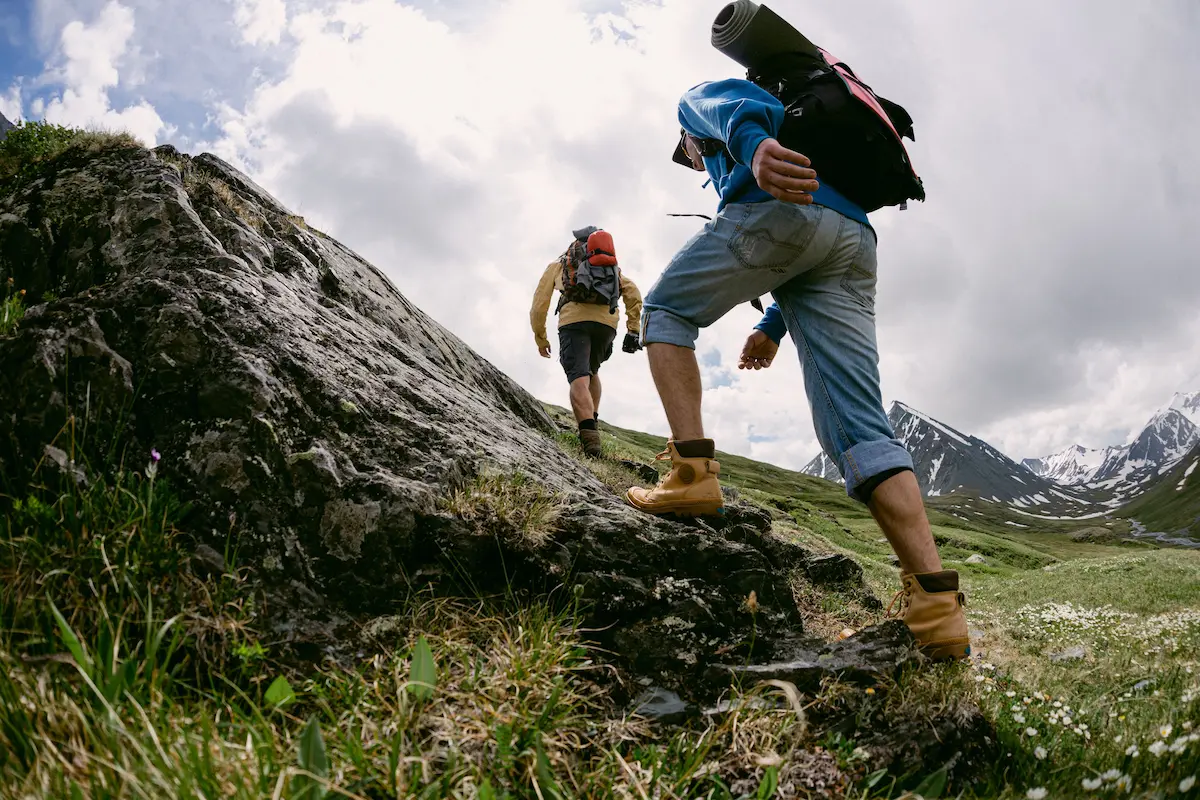
Every hiker remembers the trail that pushed them beyond their comfort zone. It wasn’t necessarily the longest route or the highest mountain. Sometimes it was a steep climb that tested every muscle, a narrow ridge that demanded complete focus, or a river crossing that made your heart race just a little faster. Those moments stay with us because they remind us why we started hiking in the first place.
1. Conquer a Mountain Summit Trail
There’s a reason summit hikes attract hikers from around the world. Reaching the top after hours of climbing delivers a feeling that’s difficult to describe until you’ve experienced it yourself. The journey usually includes changing landscapes, cooler temperatures, and views that become more impressive with every step. Summit trails demand endurance, patience, and steady pacing, but standing at the peak makes every uphill section worthwhile. If you’ve only completed easy walking trails so far, tackling your first mountain summit can completely change the way you look at hiking.
2. Complete a Sunrise Hike
Truth be told, waking up long before dawn doesn’t sound appealing at first. Then you watch the first rays of sunlight slowly light up mountains, valleys, or cliffs, and suddenly the early alarm makes perfect sense. Sunrise hikes offer cooler temperatures, quieter trails, and a peaceful atmosphere that disappears once the day becomes busy. Hiking in low light also teaches you the importance of planning ahead, carrying a headlamp, and managing your pace carefully. Watching the landscape come alive as the sun rises is an experience every outdoor enthusiast should enjoy at least once.
3. Take on a Long-Distance Day Hike
Most casual hikes last just a few hours, but a full-day trek is a completely different challenge. Walking for eight or ten hours requires physical preparation, smart pacing, and careful planning. You’ll quickly learn the importance of staying hydrated, eating regularly, and managing your energy instead of rushing through the first half of the trail. Completing a long-distance hike builds confidence because it proves that endurance often matters more than speed. It’s one of the most rewarding milestones for anyone looking to become a stronger hiker.
4. Navigate Rocky Ridge Trails
Ridge hikes combine incredible scenery with just the right amount of excitement. Unlike wide forest paths, ridge trails often require careful foot placement, balance, and constant awareness of your surroundings. The views are usually spectacular because you’re walking along elevated terrain with panoramic landscapes stretching in every direction. While these hikes aren’t suitable for everyone, they’re perfect for experienced hikers looking to improve their confidence on more technical terrain. Good footwear and steady movement make a huge difference here.
5. Cross Rivers and Natural Waterways
Not every trail stays dry from start to finish. Some adventures involve crossing shallow rivers, streams, or natural pools, adding an extra layer of excitement to the hike. River crossings teach you to slow down, choose stable footing, and think carefully before taking each step. Waterproof footwear or quick-drying hiking shoes become especially useful during these adventures. The sound of flowing water, combined with the challenge of navigating natural obstacles, creates a hiking experience that’s both refreshing and memorable.
6. Challenge Yourself with Multi-Day Trekking
A single-day hike is satisfying, but spending several days on the trail introduces a completely different perspective. Multi-day treks require thoughtful planning, lightweight packing, and the ability to manage your energy over consecutive days. You’ll wake up surrounded by nature, watch changing landscapes unfold gradually, and develop a deeper appreciation for slower travel. Camping under the stars or staying in mountain huts becomes part of the journey rather than simply reaching the destination. It’s one of the best ways to truly disconnect from everyday routines.
7. Finish an Endurance Trail Challenge
Some trails aren’t famous because they’re technically difficult. They’re famous because they demand persistence. Endurance challenges combine long distances, elevation changes, changing weather, and mental determination into one unforgettable adventure. There will probably be moments when you question whether to continue. That’s completely normal. The reward comes from pushing through those moments safely and realizing you’re capable of more than you expected. Completing an endurance trail isn’t just a physical achievement—it strengthens your confidence long after the hike ends.
How to Prepare for Trail Challenges
Taking on bigger adventures doesn’t happen overnight. The smartest hikers prepare before they ever step onto the trail. Improving your fitness, researching the route, understanding weather conditions, and packing appropriate equipment all contribute to a safer and more enjoyable experience. Regular walking, stair climbing, strength training, and shorter practice hikes help prepare your body for longer challenges while reducing the risk of injury.
Before attempting any trail challenge, make sure you have:
- Comfortable hiking boots with excellent grip
- Lightweight backpack
- Enough drinking water
- High-energy snacks
- Offline trail map or GPS app
- Fully charged phone and power bank
- First-aid kit
- Waterproof jacket
- Sun protection
- Headlamp for early starts or emergencies
- Emergency whistle
- Trekking poles if the trail requires extra stability
Carrying the right gear isn’t about expecting problems—it’s about being prepared if they happen.
Listen to Your Body Along the Way
Adventure is exciting, but knowing your limits is just as important as pushing them. If you feel unusually tired, dehydrated, or uncomfortable, take a break instead of forcing yourself to continue. Many experienced hikers reach their goals because they understand when to slow down, eat, drink water, and recover before moving forward. Hiking isn’t a competition, and every successful adventure is built on smart decisions rather than unnecessary risks.
Respect Nature During Every Challenge
As trail challenges become more demanding, it’s easy to focus entirely on reaching the finish line. Don’t forget why you’re there. Respect the environment by staying on marked trails, carrying all rubbish back with you, avoiding unnecessary noise, and leaving wildlife undisturbed. These simple habits help preserve natural landscapes so future adventurers can experience the same beauty you’re enjoying today.
Every Challenge Leads to a Bigger Adventure
The beauty of hiking is that there’s always another trail waiting. One challenge naturally leads to the next, and every adventure teaches something valuable along the way. Maybe you’ll discover that long-distance hikes are your favorite, or perhaps you’ll fall in love with mountain summits and sunrise climbs. Whatever path you choose, remember that the goal isn’t to complete the hardest trail as quickly as possible. It’s to enjoy the journey, build confidence with every step, and create memories that last long after you’ve packed away your hiking boots. Every trail begins with a single step, and your next great adventure could be closer than you think.
