
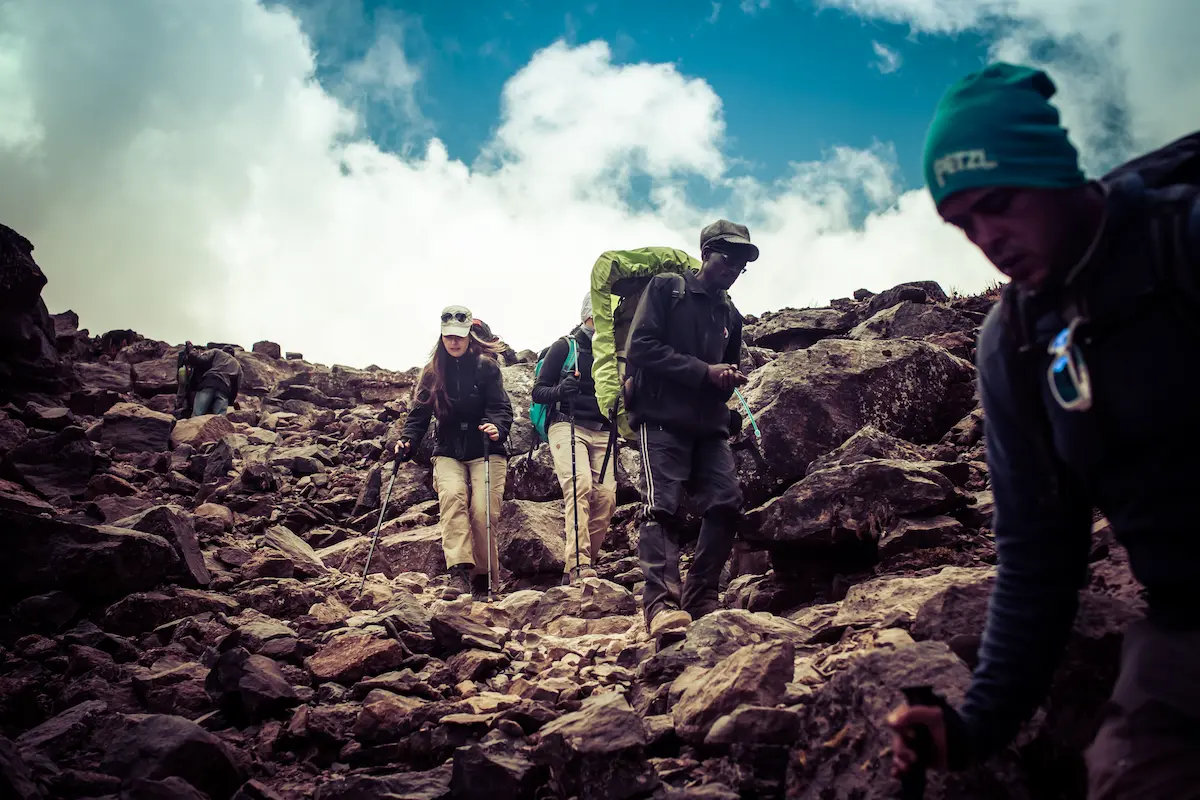
Mountain hiking in the UAE can be surprisingly beautiful. One minute you’re surrounded by city buildings, and not long after, you’re looking at rocky peaks, winding valleys, and wide-open desert views. But here’s the thing: mountains don’t care whether you’re an experienced trekker or someone trying their first trail. Conditions can change quickly, and a route that looks easy in a photo may feel very different once you’re halfway up it. The smartest approach is simple—prepare before you go, respect the environment, and don’t let excitement push you beyond your limits.
Check the Weather Before You Leave
A quick weather check should become part of your hiking routine. Don’t rely only on what the weather feels like outside your home. Mountain conditions can be different from those in the city, particularly when you’re travelling toward higher elevations or more remote areas. Check the forecast for your actual destination and look for information about temperature, wind, visibility, and any weather warnings.
If conditions look questionable, change the plan. There will always be another weekend for the trail.
Start Early When Conditions Allow
For many UAE outdoor adventures, timing matters. Starting early can help you avoid the harsher part of the day’s heat and give you more comfortable walking conditions. It also gives you extra daylight if your hike takes longer than expected.
Don’t make the mistake of thinking, “It’s only a short trail.” A few wrong turns, slower walking, photo stops, or an unexpected section of difficult terrain can stretch a planned hike considerably. Give yourself a buffer.
Hydration Is Non-Negotiable
You can forget a snack and probably survive the inconvenience. Running short on water is a very different situation.
Carry enough water for the planned hike, with extra capacity when conditions or route length make it sensible. Take regular drinks rather than waiting until you’re extremely thirsty. If you’re hiking with friends, don’t assume someone else has enough water for everyone.
It can also help to carry a few easy snacks that provide energy during longer outings, particularly if you’re going to be away from facilities for several hours.
Wear Shoes You Can Trust
Mountain terrain isn’t the place to test a brand-new pair of shoes. Blisters are annoying on a city walk; halfway through a rocky trail, they’re miserable.
Choose footwear with good grip and enough support for the terrain you’re tackling. Your clothing matters too. Lightweight, breathable layers can make a big difference, while a hat, sunglasses, and sun protection are useful additions for exposed trails.
And don’t forget that comfort beats looking perfectly trail-ready. Your feet will thank you later.
Don’t Hike Alone If You Can Avoid It
There’s something peaceful about walking through the mountains alone, but remote trails come with extra risks when you’re by yourself. Hiking with a friend or group means someone can help if you become injured, lose the route, or simply start feeling unwell.
Before setting off, tell someone where you’re going and roughly when you expect to return. This small habit takes almost no effort but can be incredibly useful if plans change unexpectedly.
Know Your Route Before You Start
Getting lost is one of those things that sounds unlikely until it happens. Mountain trails can have confusing sections, and phone reception isn’t guaranteed everywhere.
Before leaving, study your route and understand its approximate distance, elevation, difficulty, and expected duration. Download maps or keep useful navigation information available offline where possible. If the trail has marked routes or official guidance, follow them rather than creating your own shortcut.
That tempting shortcut? It may not be a shortcut at all.
Pack a Small Emergency Kit
You don’t need a giant expedition backpack for every weekend hike, but a few basics are worth carrying. Your kit can include:
- Small first-aid supplies
- Fully charged phone
- Power bank
- Offline map or navigation tool
- Extra water
- High-energy snacks
- Sunscreen
- Headlamp or small torch for longer outings
- Whistle
- Lightweight extra layer
The exact contents should depend on the trail, weather, distance, and remoteness of the area. A short, accessible walk doesn’t require the same equipment as a long mountain trek.
Know When to Turn Around
This might be the hardest hiking skill to learn. You planned the trail. You drove there. You started walking. Naturally, you want to finish.
But if the weather changes, you’re running low on water, someone in the group feels unwell, or the route is becoming more difficult than expected, turning back can be the smartest decision of the day. There is no prize for finishing a trail when the conditions aren’t right.
Listen to your body, too. Extreme fatigue, dizziness, unusual weakness, confusion, or feeling overheated should never be brushed aside.
Respect the Mountains and Other Hikers
Good hiking etiquette is part of staying safe. Stick to designated routes where applicable, avoid damaging plants or natural features, and take your rubbish with you. Keep noise under control and give other hikers space, especially on narrow sections.
If you’re visiting a popular UAE hiking destination, remember that you’re sharing the landscape with other people who came for the same reason you did: to enjoy the outdoors.
Make Safety Part of the Adventure
Hiking in the UAE mountains doesn’t need to feel intimidating. In fact, being prepared usually makes the experience more enjoyable because you’re not spending the entire day wondering whether you’ve packed enough water or taken the right route.
Check the weather. Start prepared. Carry enough water. Wear proper footwear. Know your route. Tell someone where you’re going. Hike with a buddy when possible, and most importantly, know when it’s time to turn around.
The mountains will still be there next time. Your best hike is the one where you come home safely, tired in the good way, with a camera full of views and already thinking about where you’ll walk next.
