
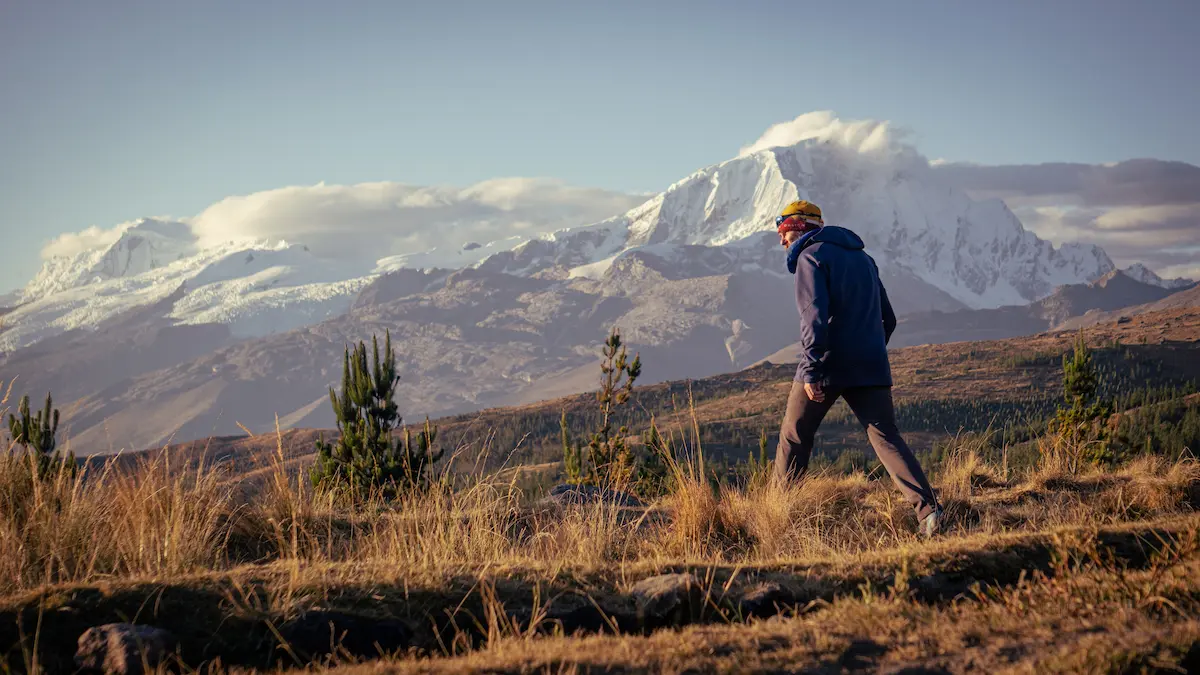
Booking your first guided trek can feel exciting, but it can also be a little overwhelming. A quick online search brings up hundreds of options, each promising breathtaking views, unforgettable experiences, and expert guidance. So how do you know which one is actually right for you? The truth is, the best guided trek isn’t necessarily the longest, the highest, or the most popular. It’s the one that matches your fitness level, interests, budget, and expectations. Choosing wisely means you’ll spend less time worrying about whether you made the right decision and more time enjoying every step of the journey.
Start by Understanding Your Fitness Level
Before looking at destinations or beautiful trail photos, take a moment to honestly assess your fitness. There’s no prize for choosing the hardest trek available, especially if it leaves you exhausted halfway through the trip. Guided treks are designed for different experience levels, ranging from easy nature walks to demanding multi-day mountain expeditions. If you’re new to hiking, choose a beginner-friendly trek with moderate distances and manageable elevation. As your confidence grows, you can gradually take on more challenging adventures. Building experience one hike at a time is far more rewarding than pushing beyond your limits too soon.
Decide What Kind of Adventure You Want
Not every guided trek offers the same experience, and that’s part of what makes hiking so enjoyable. Some trails lead through peaceful forests, while others explore dramatic mountain ranges, winding canyons, waterfalls, coastal cliffs, or scenic valleys. Think about what excites you the most. Do you enjoy photography? Are you hoping to spot wildlife? Would you rather walk beside rivers than climb steep peaks? Having a clear idea of the type of scenery you want helps narrow your options and makes choosing the right trek much easier.
Research the Trekking Company
Let’s be real—your experience depends just as much on the trekking company as it does on the destination. A professional operator focuses on safety, organization, and customer experience rather than simply filling tour groups. Spend some time reading reviews from previous hikers and look for consistent feedback about knowledgeable guides, clear communication, punctuality, and overall professionalism. Companies that openly explain their itineraries, safety procedures, and what’s included in the package often inspire greater confidence than those providing only limited information.
Learn About Your Guide
A great guide does much more than lead the group from one point to another. Experienced guides understand the trail, monitor weather conditions, adjust the pace when necessary, and know how to respond if unexpected situations arise. They also make the journey more interesting by sharing stories about local history, wildlife, plants, and the surrounding landscape. If possible, choose guided treks led by certified professionals with strong local knowledge and experience managing groups of different skill levels.
Read the Itinerary Carefully
Every guided trek has its own schedule, and reading the itinerary carefully helps prevent surprises later. Pay attention to daily hiking distances, elevation gain, estimated walking hours, rest stops, meal arrangements, accommodation details if it’s a multi-day trip, and transportation. Some adventures focus on relaxed sightseeing, while others involve long hiking days with early morning starts. Understanding the pace beforehand allows you to choose an experience that matches your expectations rather than discovering it’s too demanding after the trek has already begun.
Consider the Group Size
The size of your hiking group can completely change the overall experience. Smaller groups usually feel more personal, giving you more opportunities to ask questions, interact with the guide, and move at a comfortable pace. Larger groups often create a fun social atmosphere and can be more budget-friendly, but they may also involve longer waiting times during breaks or challenging sections of the trail. Think about the kind of experience you’re looking for before making your decision.
Check What’s Included in the Package
Not all guided treks include the same services, so it’s important to compare packages carefully before booking. Some tours provide transportation, meals, entrance permits, equipment, and refreshments, while others only include the guide. Knowing exactly what’s covered helps you avoid unexpected expenses and makes planning much easier.
Many guided trekking packages may include:
- Professional hiking guide
- Transportation to and from the trail
- Entry permits
- Meals or snacks
- Drinking water
- First-aid support
- Safety equipment
- Trekking poles
- Camping equipment for overnight trips
- Photography assistance
Always read the inclusions carefully so you know what you’ll need to bring yourself.
Understand the Difficulty Rating
Trail difficulty isn’t determined by distance alone. A relatively short hike with steep climbs, rocky terrain, or river crossings may be far more challenging than a longer trail on gentle paths. Look at the total elevation gain, terrain type, expected hiking time, and weather conditions before booking. If you’re uncertain whether a trek matches your ability, contact the trekking company directly. Most reputable operators are happy to recommend suitable options based on your experience.
Think About the Best Time to Go
Seasonal conditions play a major role in the quality of any hiking adventure. Some trails are at their best during cooler months, while others offer spectacular scenery after seasonal rainfall or during spring wildflower blooms. Research typical weather conditions for your destination before booking and remember that pleasant temperatures often make hiking far more enjoyable than extreme heat or heavy rain. Flexible travel dates also give you a better chance of choosing ideal conditions.
Safety Should Never Be an Afterthought
No matter how beautiful a destination looks, safety should always come first. Choose companies that clearly explain their emergency procedures, carry first-aid equipment, and employ trained guides. It’s also worth checking whether they monitor weather forecasts, maintain communication systems, and have contingency plans if trail conditions become unsafe. A well-organized trekking company doesn’t just react to problems—it works to prevent them before they happen.
Budget Beyond the Booking Price
The advertised price isn’t always the total cost of your adventure. Before confirming your booking, think about additional expenses such as hiking gear, travel insurance, transportation to the meeting point, personal snacks, accommodation before or after the trek, and optional equipment rentals. Planning your budget in advance helps you enjoy the trip without worrying about unexpected costs along the way.
Prepare Yourself Before the Trek
Choosing the right guided trek is only part of the preparation. Spend a few weeks improving your fitness with regular walks, stair climbing, or light strength training so your body is ready for the trail. Break in your hiking shoes before the trip, test your backpack, and make sure all your essential gear is comfortable to use. A little preparation at home often makes a huge difference once you’re out on the trail.
Choose the Experience, Not Just the Destination
The perfect guided trek isn’t simply about visiting a beautiful location. It’s about finding an adventure that matches your goals, your abilities, and the kind of memories you want to create. A knowledgeable guide, a well-planned itinerary, the right group size, and realistic expectations can turn an ordinary hike into an unforgettable experience. Take your time comparing options, ask questions before booking, and don’t feel pressured to choose the most difficult route. Sometimes the best adventure is the one that leaves you smiling from start to finish, already thinking about where your next trek will take you.
