
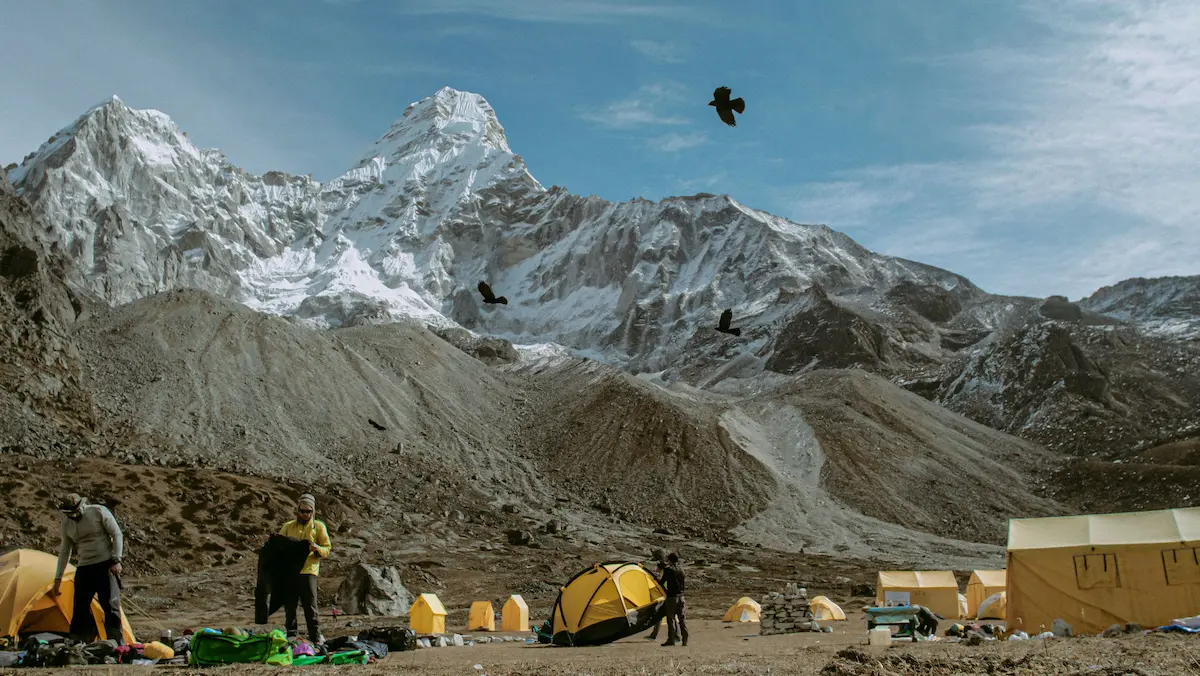
There’s something incredibly humbling about standing on a mountain with clouds drifting below your feet. The climb might leave your legs tired and your lungs working harder than usual, yet the feeling of reaching a high-altitude viewpoint makes every step worthwhile. Mountain trekking isn’t only about spectacular scenery; it’s about pushing yourself in a healthy way, discovering what you’re capable of, and appreciating nature from a perspective that few places can offer. But unlike an easy nature walk, high-altitude adventures demand preparation. The better you plan before your trek, the more enjoyable and safer the entire experience becomes.
Understand the Challenges of High Altitude
One of the biggest surprises for first-time trekkers is how different their body feels at higher elevations. As altitude increases, oxygen levels decrease, making even simple movements require more effort. You may notice yourself breathing faster, taking more frequent breaks, or feeling tired sooner than expected. That’s completely normal. Your body needs time to adapt, and understanding this before you start helps you set realistic expectations. Instead of focusing only on reaching the summit, pay attention to how your body responds throughout the journey. Listening to those signals is one of the smartest habits any mountain trekker can develop.
Build Your Fitness Before the Trek
Truth be told, mountain trekking becomes much more enjoyable when your body is prepared for the challenge. You don’t need to spend hours in the gym every day, but improving your endurance and leg strength will make steep climbs feel much less intimidating. A few weeks of regular walking, jogging, cycling, or climbing stairs can significantly improve your stamina. Adding simple strength exercises like squats, lunges, calf raises, and planks helps build the muscles you’ll rely on during long ascents and descents. If possible, practice hiking with a backpack so your shoulders and back become comfortable carrying extra weight before the actual adventure begins.
Give Your Body Time to Acclimatize
Acclimatization is one of those words every mountain trekker eventually learns, and for good reason. It simply means allowing your body enough time to adjust to thinner air. Many people make the mistake of climbing too quickly because they feel energetic during the first day. Unfortunately, altitude sickness doesn’t always appear immediately. Symptoms like headaches, dizziness, nausea, unusual fatigue, or difficulty sleeping can develop as you continue gaining elevation. The safest approach is to climb gradually, include rest days on longer treks, and never ignore warning signs. Mountains aren’t going anywhere, so there’s no reason to rush the journey.
Choose the Right Clothing
Mountain weather has its own personality. A warm, sunny morning can quickly turn into cold winds, rain, or even snowfall depending on the season and elevation. That’s why experienced hikers rarely depend on one heavy jacket. Instead, they wear layers that can easily be added or removed throughout the day. Start with a moisture-wicking base layer to keep sweat away from your skin, add an insulating layer for warmth, and finish with a waterproof outer shell that protects against wind and rain. Comfortable hiking pants, warm socks, gloves, a hat, and UV-protection sunglasses complete the outfit and help you stay comfortable as conditions change.
Pack Only What You Need
Let’s be real—many beginners pack far too much. Carrying unnecessary gear doesn’t make you more prepared; it simply makes every uphill section feel harder. The goal is to pack smart rather than pack heavy. Every item inside your backpack should have a purpose, whether it’s keeping you safe, warm, hydrated, or well-fed.
Your essential packing checklist should include:
- Comfortable hiking boots
- Lightweight backpack
- Waterproof jacket
- Warm fleece or insulated layer
- Hat and gloves
- Reusable water bottles or hydration bladder
- High-energy snacks
- First-aid kit
- Headlamp or flashlight
- Sunscreen and lip balm
- Offline GPS or trail map
- Power bank
- Emergency whistle
- Trekking poles if needed
Keeping your backpack organized also makes it easier to access important items without unpacking everything during the hike.
Stay Hydrated Throughout the Journey
One common mistake during mountain treks is waiting until you feel thirsty before drinking water. At higher elevations, your body loses moisture more quickly through breathing, even when temperatures are cool. Dehydration can increase fatigue and make altitude-related symptoms feel worse. Try sipping water regularly instead of drinking large amounts all at once. On longer hikes, electrolyte tablets or hydration powders can also help replace minerals lost through sweat, especially if you’re trekking in warm weather.
Eat Foods That Keep Your Energy Steady
Mountain trekking demands consistent energy rather than quick bursts. Heavy meals often leave you feeling sluggish, while sugary snacks provide only temporary boosts. Instead, carry foods that release energy gradually and are easy to eat on the trail. Mixed nuts, trail mix, dried fruit, peanut butter sandwiches, protein bars, bananas, and whole-grain snacks are all reliable choices. Eating small portions every couple of hours helps maintain your energy without making you feel overly full before a challenging climb.
Learn Basic Navigation Skills
Even popular hiking trails can become confusing if weather conditions suddenly change. Fog, rain, or snowfall can reduce visibility much faster than many hikers expect. While smartphone navigation apps are incredibly useful, they shouldn’t be your only source of direction. Download offline maps before leaving, carry a printed trail map whenever possible, and understand the basic trail markers used in your destination. A little preparation here can prevent hours of unnecessary stress later.
Respect Mountain Weather
If there’s one thing experienced trekkers never underestimate, it’s mountain weather. Forecasts provide helpful guidance, but conditions at higher elevations can change within minutes. Before starting your trek, check the latest weather updates and continue paying attention to the sky throughout the day. Strong winds, dark clouds, or sudden temperature drops are often signs that conditions are shifting. Turning around because of unsafe weather isn’t a failure—it’s good judgment. Every mountain will still be waiting when conditions improve.
Safety Should Always Come First
Confidence grows with experience, but even experienced trekkers follow basic safety rules every time they head into the mountains. Share your trekking plan with someone before leaving, start early enough to finish in daylight, stay on marked trails, and avoid hiking alone in unfamiliar areas whenever possible. Carry emergency contact information and know where the nearest shelters or ranger stations are located. If you begin feeling unwell because of altitude, weather, or exhaustion, don’t ignore it. The smartest hikers are the ones who know when it’s time to stop or turn back.
The Best Summit Is the One You Reach Safely
Mountain trekking isn’t about proving how tough you are. It’s about experiencing breathtaking landscapes, challenging yourself at your own pace, and creating memories that stay with you long after the hike is over. Every successful high-altitude adventure begins well before you step onto the trail. Training your body, packing wisely, staying hydrated, respecting the weather, and giving yourself enough time to acclimatize all work together to create a safer and more enjoyable journey. So prepare thoughtfully, stay mindful of your surroundings, and remember that the true reward isn’t only standing at the summit—it’s enjoying every step that gets you there.
