
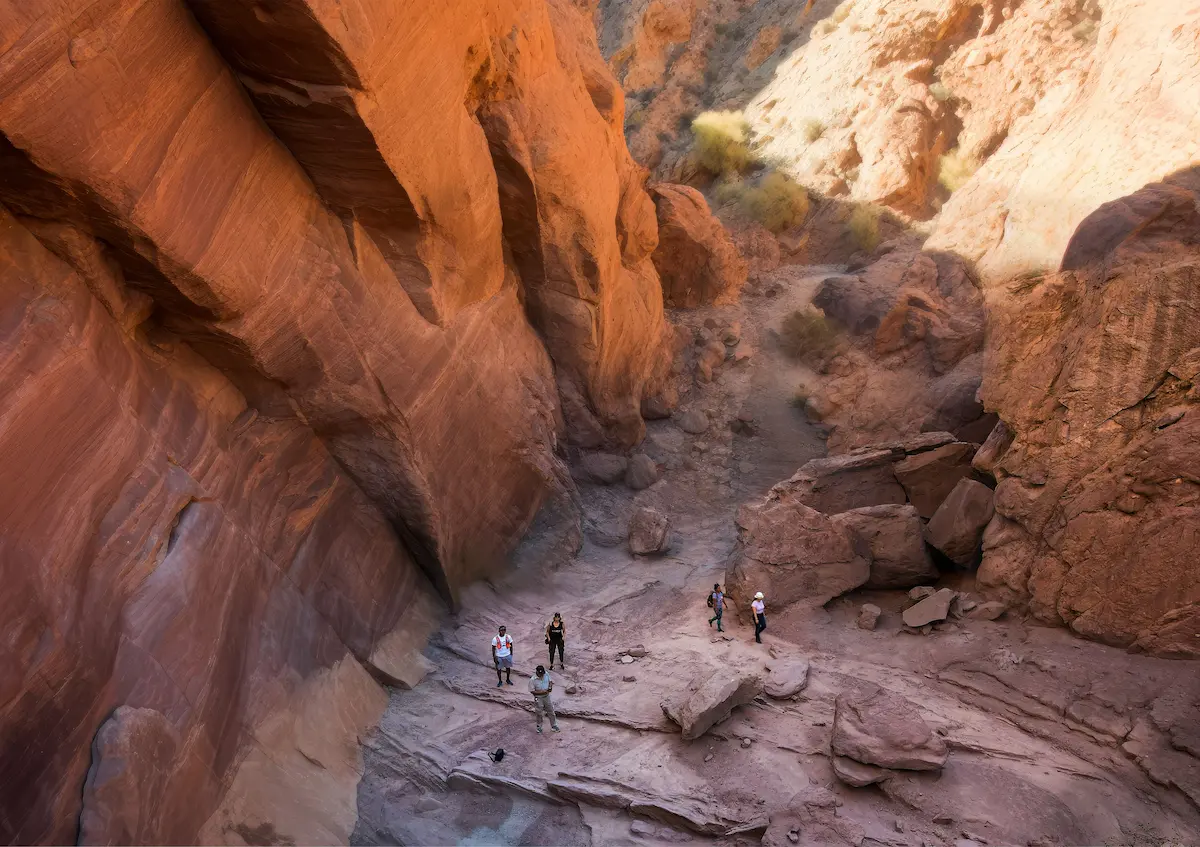
There’s something special about hiking through a wadi. One moment you’re surrounded by towering rocky cliffs, and the next you’re walking beside crystal-clear pools, lush greenery, or winding streams that seem almost hidden from the rest of the world. Unlike traditional mountain trails, wadis offer a completely different kind of adventure. They’re peaceful, dramatic, and filled with surprises around every bend. If you’re someone who enjoys exploring nature beyond crowded tourist spots, wadi hiking deserves a place on your adventure list. The best part? Many wadis are suitable for beginners, making them a fantastic way to experience the outdoors without tackling extreme terrain.
What Is a Wadi?
If you’ve recently started exploring hiking destinations, you may have come across the word wadi and wondered what it actually means. A wadi is a natural valley, gorge, or dry riverbed that occasionally fills with water after rainfall. Some remain dry for most of the year, while others feature permanent streams, freshwater pools, waterfalls, and thriving vegetation. This unique mix of rocky landscapes and water creates an environment that’s completely different from forests or mountain trails. Every wadi has its own personality, and no two hikes ever feel exactly the same.
Why Wadi Hiking Is So Popular
Truth be told, it’s hard not to fall in love with wadi hiking after your first visit. The scenery changes constantly, giving you something new to admire every few minutes. One section might feature narrow canyon walls, while another opens into peaceful pools surrounded by trees and wildlife. The combination of adventure and relaxation makes wadis appealing to hikers, photographers, families, and anyone looking to spend time outdoors. Unlike busy tourist attractions, many wadis still offer a quiet escape where you can slow down, breathe deeply, and simply enjoy the moment.
Choosing the Right Wadi Trail
Not every wadi offers the same hiking experience. Some trails are short and easy, while others involve scrambling over rocks, crossing streams, or climbing steep sections. Before choosing a route, spend a little time researching its difficulty, distance, elevation, and estimated hiking time. Reading recent trail reviews can also provide valuable insights about current conditions, water levels, and accessibility. If it’s your first wadi hike, selecting a beginner-friendly trail with clear markings and moderate terrain is the smartest way to build confidence.
Essential Gear for Wadi Hiking
Let’s be real—packing wisely can make the difference between an enjoyable adventure and an uncomfortable one. Since wadi trails often include uneven rocks, wet surfaces, and changing conditions, your gear should focus on comfort, safety, and practicality rather than carrying unnecessary extras.
Here’s what you should pack before heading out:
- Comfortable hiking shoes with good grip
- Lightweight backpack
- Plenty of drinking water
- Healthy snacks or energy bars
- Sunscreen
- Sunglasses
- Hat or cap
- Quick-dry towel
- Waterproof phone pouch
- Small first-aid kit
- Power bank
- Offline trail map or GPS app
- Lightweight rain jacket if weather conditions are uncertain
Keeping your backpack light allows you to move more comfortably across rocky terrain while reducing fatigue during longer hikes.
Wear the Right Clothing
Choosing the right clothing isn’t about looking like a professional hiker—it’s about staying comfortable throughout the journey. Lightweight, breathable fabrics help regulate body temperature, while quick-drying materials are especially useful if your trail includes shallow water crossings. Long sleeves and lightweight hiking pants provide additional protection from the sun, scratches, and insects without making you feel overheated. A pair of moisture-wicking socks can also make a surprisingly big difference during longer walks.
Safety Should Always Come First
Nature is beautiful, but it also deserves respect. Wadis can change quickly, especially after heavy rainfall. Even if the weather appears calm where you are, rain in higher elevations can cause sudden flash floods downstream. That’s why checking the weather forecast before leaving isn’t optional—it’s a non-negotiable part of planning your hike. Stay on marked trails whenever possible, avoid climbing unstable rocks, and never enter areas that are closed or clearly marked as dangerous. If you’re hiking in a remote location, let someone know your route and expected return time before you leave.
Respect Wildlife and the Environment
One of the greatest rewards of wadi hiking is experiencing nature in its purest form. Birds, reptiles, insects, and native plants all play an important role in maintaining these fragile ecosystems. Observe wildlife from a respectful distance and avoid feeding or disturbing animals. Stay on established trails to reduce damage to surrounding vegetation, and carry all your rubbish back with you, including food wrappers and plastic bottles. Think about it: the small choices we make today help ensure these beautiful places remain just as breathtaking for future hikers.
Capture the Beauty Without Missing the Moment
It’s tempting to spend every few minutes reaching for your phone or camera, especially when every turn reveals another incredible view. Take your photos, absolutely—but don’t forget to pause and simply enjoy where you are. Listen to the sound of flowing water, notice the changing colors of the rocks, and appreciate the quiet moments that don’t always fit inside a photograph. Some of the best memories come from experiences that never make it onto social media.
Common Mistakes First-Time Wadi Hikers Make
Most beginners learn valuable lessons after their first hike, but knowing what to avoid can save you plenty of trouble. Wearing shoes with poor grip, carrying too little water, ignoring weather forecasts, overpacking, and choosing a trail beyond your fitness level are among the most common mistakes. Another frequent oversight is starting too late in the day, leaving little time to complete the hike before sunset. Planning ahead doesn’t remove the adventure—it simply helps you enjoy it with greater confidence.
Tips for a More Enjoyable Wadi Adventure
Every hike becomes more rewarding when you approach it with the right mindset. Start early to enjoy cooler temperatures and quieter trails. Walk at a comfortable pace instead of rushing toward the finish, and take regular breaks to appreciate your surroundings. Stay hydrated, eat small snacks throughout the day, and remain mindful of changing trail conditions. If you’re hiking with friends or family, keep the group together and communicate regularly, especially when crossing rocky or slippery sections.
Why Every Nature Lover Should Experience Wadi Hiking
Wadi hiking offers something that many outdoor adventures don’t—a perfect balance of exploration, relaxation, and connection with nature. It’s not about racing to the end of the trail or conquering the highest peak. Instead, it’s about discovering hidden landscapes, enjoying peaceful moments away from busy routines, and appreciating the incredible variety that nature has to offer. Whether you’re taking your very first hike or looking for a fresh adventure beyond traditional mountain trails, a wadi provides an experience that’s both exciting and deeply refreshing. Pack your essentials, respect the environment, keep safety in mind, and let curiosity lead the way. Chances are, your first wadi hike won’t be your last.
