
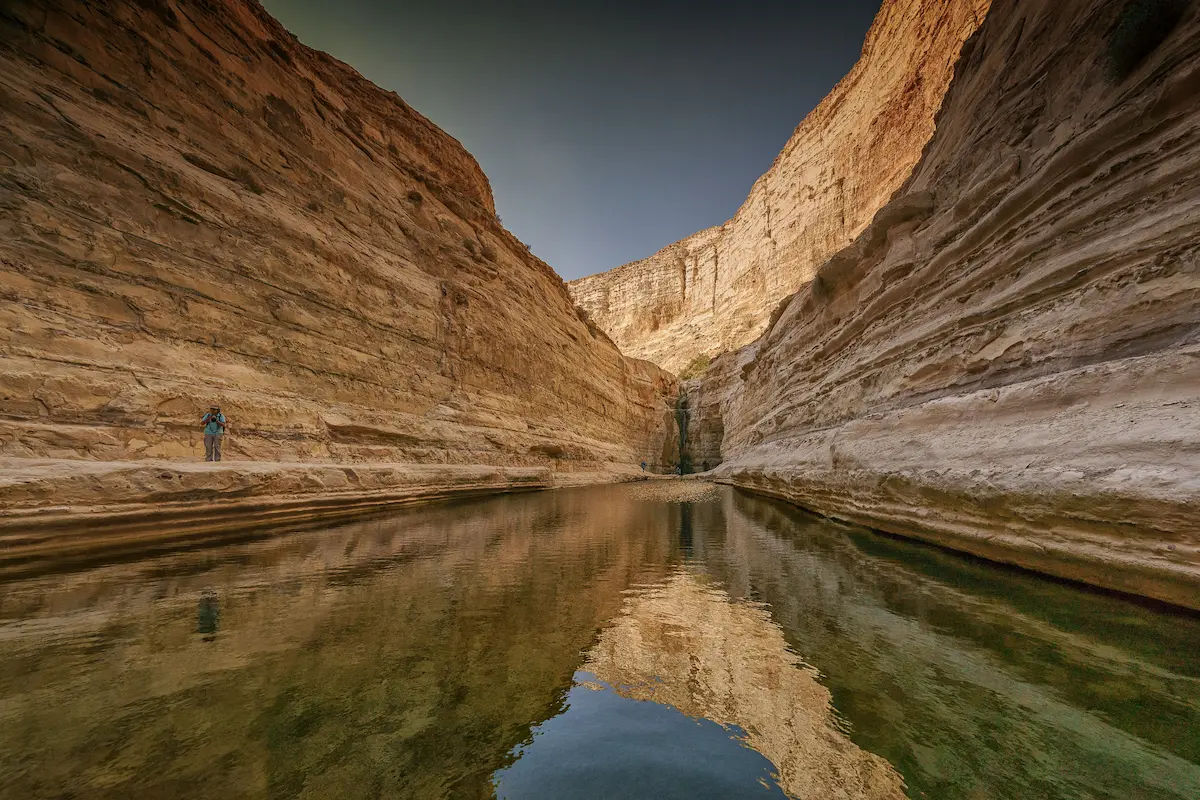
Packing for a wadi hike isn’t about squeezing as much gear as possible into your backpack. It’s about carrying the right things—the items that keep you comfortable, prepared, and ready to enjoy every step of the journey. Wadi trails are unique. One section may be dry and rocky, while the next could involve shallow water crossings, slippery stones, or narrow canyon paths. That’s exactly what makes them so exciting. Still, those changing conditions mean your packing list deserves a little more thought than it would for an ordinary walk in the park. The goal isn’t to carry a heavy load; it’s to carry smart.
Start with the Right Backpack
Your backpack becomes your travel companion for the entire hike, so choosing the right one matters more than most beginners realize. A lightweight daypack with comfortable shoulder straps is usually the best choice for short and medium-length hikes. You want enough room for water, snacks, extra clothing, and safety essentials without carrying unnecessary weight. Backpacks with multiple compartments also make life easier because you won’t have to unpack everything just to find your sunscreen or first-aid kit halfway through the trail.
Wear Hiking Shoes You Can Trust
Let’s be real—your shoes can make or break the entire adventure. Wadi trails often include loose gravel, uneven rocks, sandy sections, and wet surfaces that become slippery without warning. Regular sneakers may feel comfortable at first, but they usually don’t provide the grip or support needed for this type of terrain. Invest in hiking shoes or trail runners with durable soles and reliable traction. Before your trip, wear them on a few walks to break them in properly. Blisters are much easier to prevent than they are to manage halfway through a hike.
Stay Hydrated from Start to Finish
Water is one item you should never underestimate. Even if the weather feels pleasant, hiking requires constant movement, and your body loses fluids more quickly than you might notice. Waiting until you’re thirsty isn’t the best strategy because dehydration often begins before thirst becomes obvious. Carry enough drinking water for your entire hike and sip it regularly rather than drinking large amounts all at once. If you’re planning a longer adventure, electrolyte tablets or hydration powders can help replace essential minerals lost through sweat.
Pack Snacks That Keep You Going
A wadi hike burns more energy than many people expect, especially when climbing over rocks or navigating uneven ground. Instead of packing heavy meals, focus on foods that are light, easy to carry, and provide lasting energy throughout the day.
Some excellent trail snacks include:
- Mixed nuts
- Trail mix
- Energy bars
- Fresh fruit
- Dried fruit
- Peanut butter sandwiches
- Whole-grain crackers
- Protein bars
- Dark chocolate in moderation
Small snacks every couple of hours help maintain your energy far better than waiting until you’re extremely hungry.
Dress for Changing Conditions
One of the interesting things about wadi hiking is how quickly conditions can change. Sunny open areas may suddenly lead into cool, shaded canyons, while water crossings can leave your clothing damp if you’re not prepared. Lightweight, breathable fabrics work best because they keep you comfortable without trapping heat. Quick-drying clothing is especially useful if you expect to walk through shallow streams. A lightweight waterproof jacket is also worth carrying, even if the forecast looks clear. Weather has a habit of surprising hikers.
Don’t Forget Sun Protection
Think about it: many wadi trails offer very little natural shade, especially during the middle of the day. Spending several hours outdoors without proper protection can quickly lead to sunburn and fatigue. Pack sunscreen with a suitable SPF, wear sunglasses that block UV rays, and bring a lightweight hat or cap to protect your face and neck. Lip balm with sun protection is another small item that many hikers overlook until it’s too late.
Carry a Basic First-Aid Kit
You don’t need a large medical bag, but carrying a few essential first-aid supplies is a non-negotiable part of hiking safely. Minor scrapes, blisters, or small cuts are common on rocky trails, and treating them early prevents bigger problems later.
Your first-aid kit should include:
- Adhesive bandages
- Antiseptic wipes
- Gauze pads
- Medical tape
- Blister patches
- Pain relief tablets
- Tweezers
- Small scissors
- Personal medications if required
Hopefully, you won’t need any of these items. If you do, you’ll be glad they’re within easy reach.
Navigation Tools Still Matter
Modern smartphones are incredibly useful, but they shouldn’t be your only navigation tool. Mobile signals can disappear in remote valleys or narrow canyons, leaving you without reliable directions. Download offline maps before leaving home and consider carrying a printed trail map as a backup. If you’re exploring unfamiliar terrain, a small compass can also be a valuable addition to your pack. A few extra ounces of gear can save hours of confusion.
Protect Your Electronics
Water is part of the charm of many wadis, but it’s not particularly kind to phones, cameras, or power banks. A waterproof pouch or dry bag is one of those inexpensive items that often proves invaluable. It keeps your electronics safe during unexpected splashes, stream crossings, or sudden rain showers while still allowing easy access when you want to take photos.
Extra Items Worth Packing
Some items aren’t essential for every hike, but they can make your adventure noticeably more comfortable depending on the trail and weather conditions.
Consider bringing:
- Trekking poles for extra stability
- Cooling towel
- Insect repellent
- Lightweight gloves
- Emergency whistle
- Headlamp or small flashlight
- Power bank
- Small rubbish bag for waste
- Compact multi-tool
You probably won’t use every one of these on every trip, but having them available when needed can make a big difference.
Pack Light but Pack Smart
One mistake many beginners make is assuming more gear means better preparation. The opposite is often true. Every extra kilogram becomes more noticeable as the hike continues, especially on uneven terrain. Before closing your backpack, ask yourself whether each item serves a clear purpose. If the answer is no, leave it behind. A lighter backpack means better balance, less fatigue, and a far more enjoyable hiking experience.
Leave Nature Better Than You Found It
Packing doesn’t stop when you leave home—it also includes what you bring back. Carry a small rubbish bag and take all your waste with you, including food wrappers, tissues, and empty bottles. Respect wildlife by observing animals from a distance, avoid picking plants, and stay on established trails whenever possible. These simple habits help preserve the beauty of wadis so future hikers can enjoy the same incredible landscapes.
Good Preparation Leads to Great Adventures
The best wadi hikes aren’t memorable because everything goes perfectly. They’re memorable because you feel confident, comfortable, and free to enjoy the experience without worrying about forgotten essentials. A well-packed backpack gives you that confidence. It keeps you hydrated, protected from changing conditions, and prepared for small challenges that naturally come with exploring the outdoors. Before you head out, take a few extra minutes to double-check your gear, review the weather forecast, and make sure someone knows your hiking plans. Once that’s done, all that’s left is to lace up your boots, breathe in the fresh air, and enjoy the adventure waiting around the next bend.
